福格-迈耶评定量表
注意!该文章为贵州三易医疗器械有限公司原创整理编辑,不经过本公司书面同意,不得以任何方式,包括但不限于电子、纸质的方式进行复制、传播及转载。原始发布时间:2026年8月29日。
福格-迈耶评定量表的概况
福格-迈耶评定量表(Fugl-Meyer Assessment of Sensorimotor Recovery After Stroke,FMA)由Fugl-Meyer等人于1975年发表,是一种卒中特异性、基于操作表现的损伤指数。它用于评估脑卒中后偏瘫患者的运动功能、感觉、平衡、关节活动度和关节疼痛,在临床和研究中用于判断疾病严重程度、描述运动恢复过程,以及制定和评估治疗方案。
福格-迈耶评定量表的目的
FMA旨在全面评估脑卒中后偏瘫患者的躯体损伤情况,涵盖运动功能、感觉、平衡、关节活动度和关节疼痛5个领域,从而量化卒中后感觉运动恢复的程度,为疾病严重程度判定、运动恢复描述和治疗计划制定与疗效评估提供依据。需要指出的是,FMA的条目旨在评估运动系统背景下的恢复,不纳入功能性任务。
福格-迈耶评定量表的测试项目与分量表
FMA共包含5个领域、155个条目:
- 运动功能(上肢与下肢):评估肩、肘、前臂、腕、手、髋、膝、踝部位的运动、协调与反射活动,上肢66分、下肢34分,共100分
- 感觉:评估手臂和腿部两个表面的轻触觉(8分)以及8个关节的位置觉(16分),共24分
- 平衡:包含7项测试,其中3项坐位(6分)、4项站立位(8分),共14分
- 关节活动度:8个关节,共44分
- 关节疼痛:共44分
FMA的条目源自Twitchell(1951)对卒中后运动恢复自然史的描述,并整合了Brunnstrom运动恢复分期。量表总分满分226分。5个领域均可独立拆分测试以评估特定构念,例如仅评估上肢功能时可单独使用上肢运动、感觉、关节活动度和关节疼痛分测验,评分取决于所选分测验的条目数。其中感觉与关节疼痛领域较为主观,使用频率较低。
福格-迈耶评定量表的施测规则
FMA必须由受过培训的物理治疗师、作业治疗师或其他康复专业人员一对一施测。根据Fugl-Meyer等人(1975)的指南,应以言语指导或示范的方式告知患者如何完成动作,评估者可在腕部和手部测试中协助稳定患者手臂。对于卧床患者,肩外展仅进行至90度,髋伸展至0度。此外,还可采用简化分层施测方法:可从与患者恢复水平相符的位置开始施测,若患者能完成该部分其余全部条目,则该部分计满分;若患者不能完成某部分条目,则所有未测试的更难条目计0分,以此缩短测试时间。
福格-迈耶评定量表的评分方法
FMA的评分基于直接观察患者的操作表现,采用3级序数量表:0分为不能完成,1分为部分完成,2分为完全完成。量表总分0-226分。各领域分值范围为:运动功能0-100分(0分代表偏瘫,100分代表正常运动表现),感觉0-24分,平衡0-14分,关节活动度0-44分,关节疼痛0-44分。
基于FMA运动总分(满分100分)的损伤严重程度分级如下:
- Fugl-Meyer(1980)分级:小于50分为严重,50-84分为明显,85-94分为中度,95-99分为轻度
- Fugl-Meyer等人(1975)分级:0-35分为极重度,36-55分为重度,56-79分为中度,大于79分为轻度
- Duncan等人(1994)分级:小于等于84分为偏瘫,85-95分为轻偏瘫,96-99分为轻度运动失调
福格-迈耶评定量表的测试时间
完整FMA约需30-35分钟。运动、感觉和平衡分测验合计需34-110分钟,平均58分钟。仅施测运动量表约需20分钟。对于失语症或重症患者,测试时间可能超过35分钟。FMA的主要批评之一是它是一个耗时的评估工具。
进行福格-迈耶评定量表测试之前需要进行培训吗?
FMA必须由受过培训的物理治疗师、作业治疗师或其他康复专业人员一对一施测。Sullivan等人(2011)发布了FMA操作手册,其中包含面向临床实践和临床试验的标准化培训程序,以保证评估流程的标准化。
福格-迈耶评定量表需要什么样的设备?
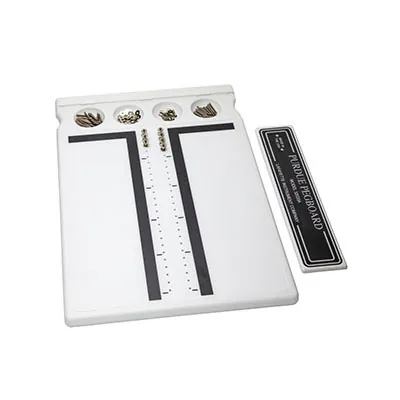
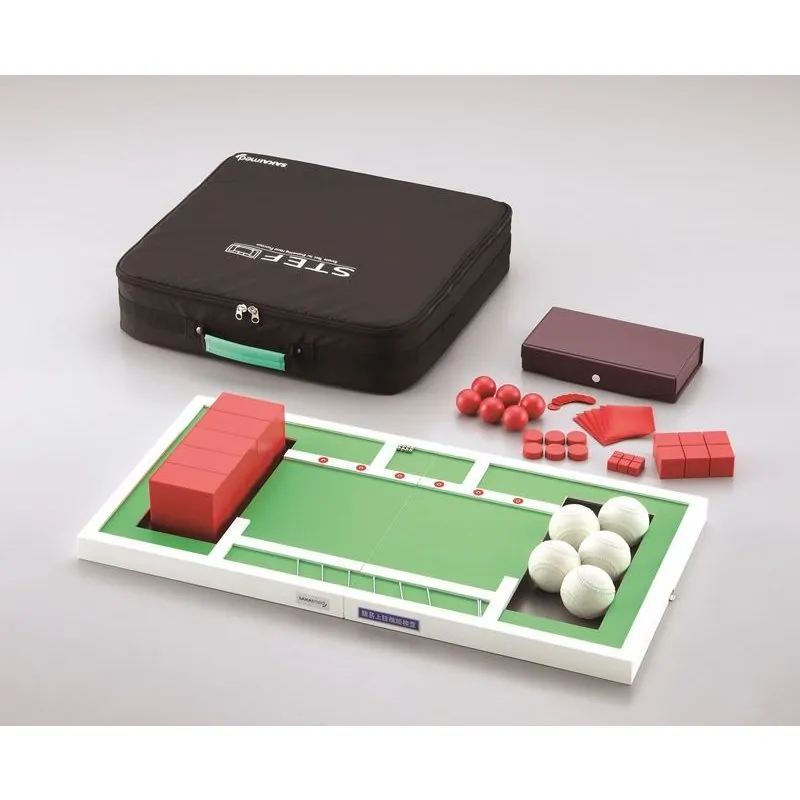
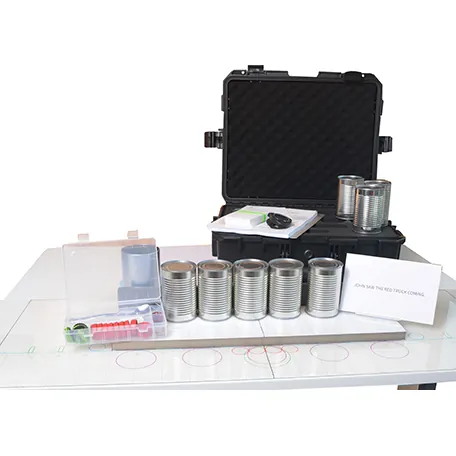
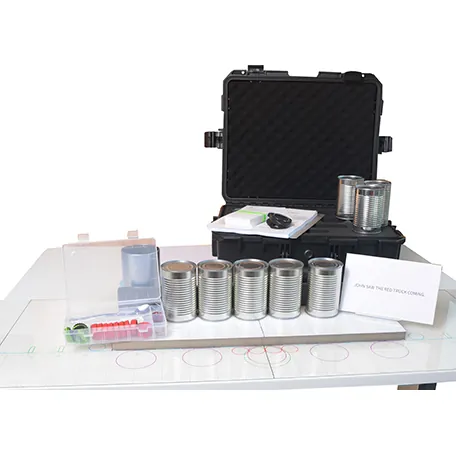
FMA无需专门设备,需要一张垫子或床、少量小物件以及多种用于感觉、反射和关节活动度评估的工具,包括:纸片、球、棉球、铅笔、叩诊锤、圆柱体(如小罐或小瓶)、量角器、秒表、眼罩、椅子和床边桌。
福格-迈耶评定量表适合哪些患者群体使用?
FMA可用于急性期和慢性期脑卒中后偏瘫患者,适用场所从急性期医院到社区。重症患者或失语症患者虽耗时更长,但仍可使用。以下情况不应使用FMA:需要代理人代答的患者,因为FMA通过直接观察评分,不能由代理人完成;精细或复杂运动协调的检测,FMA仅测量肢体粗大运动,需精细评估上肢分离运动时应使用运动状态评分(Motor Status Score);慢性期人群的功能改善评估,因为FMA评估的是运动系统背景下的运动恢复,可能将运动恢复与功能恢复分离,对慢性人群的功能改善不敏感,此类情况更宜使用Action Research Arm Test。
福格-迈耶评定量表的心理测量学特性
FMA曾被用作检验其他量表效度的金标准,但平衡分量表(尤其坐位平衡条目)的信效度存疑,修改版评分似乎提高了信度;感觉分量表则因表面效度、结构效度、预测效度及反应性差而受到批评。
信度方面:内部一致性在3项研究中均报告为极佳,例如Lin等人(2004)在176例卒中后14-180天患者中测得Cronbachα系数为0.94-0.98。重测信度在6项研究中有5项为极佳,例如Platz等人(2005)测得总分运动组内相关系数(ICC)为0.97、感觉为0.81、被动关节活动/疼痛为0.95;Duncan等人(1983)对18例慢性卒中患者测得总分重测相关系数为0.98-0.99;Van der Lee等人(2001)在22例慢性卒中患者的稳定期内测得重测平均差异仅0.8分。个别研究发现感觉分量表轻触觉条目一致性为差至尚可(加权κ=0.30-0.55),关节疼痛分量表仅尚可,但FMA总分的重测信度仍为极佳。评定者间信度在4项研究中均为极佳,例如Sanford等人(1993)测得总分ICC为0.96(上肢运动0.97、下肢运动0.92、平衡0.93、感觉0.85、关节活动度0.85,关节疼痛最不可靠但尚可,ICC=0.61);Sullivan等人(2011)测得专家评定者所有领域ICC为0.95-1.0,专家与受训治疗师间所有领域ICC为0.87-0.99;仅平衡分量表在一项研究中为差(ICC=0.34)。
效度方面:内容效度上,修改版30条目FMA的条目反映同一构念(钩握条目除外),基于Guttman量表分析,运动功能分量表可按难度层级排列(再现性系数大于0.9、可扩展性系数大于0.7),支持简化施测。效标效度上,FMA入院分测验可预测卒中后180天时的运动评定量表得分;FMA下肢入院分测验可预测康复出院时功能独立性评定量表的移动与行动得分(r分别为0.63和0.74);FMA入院得分可预测康复出院时Barthel指数得分;FMA下肢得分对日均步数的预测能力较差。同时效度方面,FMA与Barthel指数、运动评定量表、感觉组织平衡测试、Action Research Arm Test(2周时r=0.91,8周时r=0.94)、DeSouza量表(r=0.90)、Chedoke-McMaster卒中评定(r=0.95)、Berg平衡量表、卒中患者姿势评定量表(各时点r=0.90-0.97)、STREAM及其简版(r=0.91-0.99)、步行速度及速度指数、Arm Motor Ability Test(r=0.94)等多种量表均呈极佳相关。结构效度方面,FMA下肢分量表可区分需要步行辅助的患者以及依赖、部分依赖、独立三级自理能力;FMA与Barthel指数(感觉分量表除外)、功能独立性评定量表(r=0.63)等呈极佳相关;FMA感觉分量表与Barthel指数的相关为差至充分(r=0.38-0.53),聚合效度较低。
地板/天花板效应方面:感觉分量表存在大天花板效应,卒中后14-30天有44.4%达最高分,30-90天为48.9%,90-180天为62.7%,14-180天累计72.1%;修改版平衡分量表在卒中后14天呈大地板效应(29.3%);另有研究报告FMA运动得分在康复入院与出院时地板效应极佳(出院时0%得0分)。
反应性方面:在5项研究中,1项报告FMA检测变化的能力大,1项报告中等,1项报告小至中等,2项报告小。具体而言,修改版平衡分量表14-30天效应量为0.82(大),90-180天为0.33(小),14-180天总体为1.14(大),重度卒中患者中最高达1.57;Van der Lee等人(2001)在22例慢性卒中患者中测得FMA运动分量表反应性比值为0.41,低于Action Research Arm Test的2.03;Rabadi和Rabadi对104例急性卒中住院患者测得FMA运动分量表标准反应均数(SRM)为0.74(中等);感觉分量表的SRM为0.27-0.43(小)至0.67(中等);Wood-Dauphinee等人(1990)报告FMA运动量表入院至卒中后5周的效应量为0.19-0.33(小);Duncan、Lai和Keighley(2000)对459例患者的观察显示,卒中后1个月内即达到最大恢复,约6个月进入平台期,若以FMA得分大于90分定义恢复,36.8%的患者可视为已恢复。
福格-迈耶评定量表的版本
FMA有多个修改版本。其一是平衡分量表修订版:因坐位平衡条目存在问题,Hsueh等人(2001)对两个有问题的反应条目评分提出轻微修改,修改版评分为0分(容易失去平衡)、1分(部分失去平衡)、2分(被用力推向患侧或健侧时能良好保持坐位平衡),修改版FMA平衡分量表效度极佳(r=0.84)。其二是12条目简版:Hsieh等人(2007)基于FMA上下肢领域开发,条目保留依据为Brunnstrom分期的代表性以及Rasch分析评估的条目难度。语言版本方面,FMA有英语版和加拿大法语版。
福格-迈耶评定量表的参考文献
- Arsenault, A. B., Dutil, E., Lambert, J., Corriveau, H., Guarna, F., Drouin, G. (1988). An evaluation of the hemiplegic subject based on the Bobath approach. Part III. A validation study. Scand J Rehabil Med, 20(1), 13-16.
- Beckerman, Vogelaar, T. W., Lankhorst, G. J., Verbeek, A. L. (1996). A criterion for stability of the function of the lower extremity in stroke patients using the Fugl-Meyer Assessment Scale. Scand J Rehabil Med, 28, 3-7.
- Berglund, K., Fugl-Meyer, A.R. (1986). Upper extremity function in hemiplegia: A cross validation study of two assessment methods. Scandinavian Journal of Rehabilitation Medicine, 18, 155-157.
- Bernspang, B., Asplund, K., Eriksson, S., Fugl-Meyer, A. R. (1987). Motor and perceptual impairments in acute stroke patients: effects on self-care ability. Stroke, 18, 1081-1086.
- Chae, J., Johnston, M., Kim, H., Zorowitz, R. (1995). Admission motor impairment as a predictor of physical disability after stroke rehabilitation. Am J Phys Med Rehabil, 74(3), 218-223.
- Chae, J., Bethoux, F., Bohine, T., Dobos, L., Davis, T., Friedl, A. (1998). Neuromuscular stimulation for upper extremity motor and functional recovery in acute hemiplegia. Stroke, 29(5), 975-979.
- Chae, J., Labatia, I., Yang, G. (2003). Upper limb motor function in hemiparesis: Concurrent validity of the arm motor ability test. Am J Phys Med Rehabil, 82, 1-8.
- Crow, J.L., Harmeling-van der Wel, B.C. (2008). Hierarchical properties of the motor function sections of the Fugl-Meyer Assessment Scale for people after stroke: a retrospective study. Physical Therapy, 88(12), 1554-1567.
- Dettmann, M. A., Linder, M. T., Sepic, S. B. (1987). Relationships among walking performance, postural stability, and functional assessments of the hemiplegic patient. Amer J Phys Med, 66, 77-90.
- De Weerdt, W., Harrison, M. A. (1985). Measuring recovery of arm-hand function in stroke patients: a comparison of the Brunnstrom-Fugl-Meyer test and the Action Research Arm test. Physiother Canada, 37, 65-70.
- Di Fabio, R. P., Badke, M. B. (1990). Relationship of sensory organization to balance function in patients with hemiplegia. Phys Ther, 70(9), 542-548.
- Duncan, P. W., Lai, S. M. Keighley, J. (2000). Defining post-stroke recovery: implications for design and interpretation of drug trials. Neuropharmacology, 39(5), 835-41.
- Duncan, P. W., Propst, M., Nelson, S. G. (1983). Reliability of the Fugl-Meyer assessment of sensorimotor recovery following cerebrovascular accident. Phys Ther, 63(10), 1606-1610.
- Duncan, P., Richards, L., Wallace, D., Stoker-Yates, J., Pohl, P., and Luchies, C. (1998). A randomized, controlled pilot study of a home-based exercise program for individuals with mild and moderate stroke. Stroke, 29, 2055-2060.
- Duncan, P. W., Goldstein, L. B., Horner, R. D., Landsman P. B, Samsa, G. P., Matchar, D. B. (1994). Similar motor recovery of upper and lower extremities after stroke. Stroke, 25, 1181-1188.
- Ferraro, M., Demaio, J. H., Krol, J., Trudell, C., Rannekleiv, K., Edelstein, L., Christos, P., Aisen, M., England, J., Fasoli, S., Krebs, H., Hogan, N., Volpe, B. T. (2002). Assessing the Motor Status Score: A Scale for the Evaluation of Upper Limb Motor Outcomes in Patients after Stroke. Neurorehabilitation and Neural Repair, 16(3), 283-289.
- Feyes, H. M., deWeerdt, W. J., Seltz, B. E., Steck G. A. C., Spichinger, R., Vereeck, L. E. (1998). Effect of therapeutic intervention for hemiplegic upper limb in acute phase after stroke. Stroke, 29, 785-792.
- Feys, H., Van Hees, J., Bruyninck, F., Mercelis, R., De Weerdt, W. (2000). Value of somatosensory and motor evoked potentials in predicting arm recovery after a stroke. J Neurol Neurosurg Psychiatry, 68, 323-331.
- Finch, E., Brooks, D., Stratford, P. W., Mayo, N. E. (2002). Physical Rehabilitations Outcome Measures. A Guide to Enhanced Clinical Decision-Making (2nd ed.). Canadian Physiotherapy Association, Toronto.
- Fugl-Meyer, A. R., Jaasko, L., Leyman, I., Olsson, S., Steglind, S. (1975). The post-stroke hemiplegic patient: I. A method for evaluation of physical performance. Scandinavian Journal of Rehabilitation Medicine, 975(7), 13-31.
- Fugl-Meyer, A. R. (1980) Post-stroke hemiplegia assessment of physical properties. Scandinavian Journal of Rehabilitation Medicine, 7, 85-93.
- Fugl-Meyer, A. R., Jaasko, L. (1980). Post-stroke hemiplegia and ADL-performance. Scand J Rehabil Med Suppl. 7, 140-152.
- Fulk, G. D., Reynolds, C., Mondal, S., & Deutsch, J. E. (2010). Predicting home and community walking activity in people with stroke. Arch Phys Med Rehabil, 91, 1582-1586.
- Gladstone, D. J., Danells, C. J., Black, S. E. (2002). The Fugl-Meyer Assessment of Motor Recovery after Stroke: A critical review of its measurement properties. Neurorehabilitation and Neural Repair, 16, 232-240.
- Gowland, C., Van Hullenaar, S., Torresin, W. (1995). Chedoke-McMaster stroke assessment: development, validation and administration manual. Hamilton (ON), Canada: Chedoke-McMaster Hospitals and McMaster University.
- Gowland, C., Stratford, P., Ward, M. (1993). Measuring physical impairment and disability with the Chedoke-McMaster Stroke Assessment. Stroke, 24, 58-63.
- Hsieh, Y.W., Hsueh, I.P., Chou, Y.T., Sheu, C.F., Hseih, C.L. & Kwakkel, G. (2007). Development and validation of a short form of the Fugl-Meyer motor scale in patients with stroke. Stroke, 38, 3052-3054.
- Hsueh, I. P., Hsu, M. J., Sheu, C. F., Lee, S., Hsieh, C. L., Lin, J. H. (2009). Psychometric comparisons of 2 versions of the Fugl-Meyer Motor Scale and 2 versions of the Stroke Rehabilitation Assessment of Movement. Neurorehabil Neural Repair, 22, 737.
- Hsueh, I. P., Mao, H. F., Huang, H. L., Hsieh, C. L. (2001). Comparisons of responsiveness and predictive validity of two balance measures in stroke inpatients receiving rehabilitation [in Chinese]. Formos J Med, 5, 261-268.
- Kraft, G. H., Fitts, S. S., Hammond, M. C. (1992). Techniques to improve function of the arm and hand. Archives of Physical Medicine and Rehabilitation, 73, 220-227.
- Kusoffsky, A., Wadell, I., Nilsson, B. Y. (1982). The relationship between sensory impairment and motor recovery in patients with hemiplegia. Scand J Rehabil Med, 14(1), 27-32.
- Lin, J-H., Hsueh, I-P., Sheu, C-F., Hsieh, C-L. (2004). Psychometric properties of the sensory scale of the Fugl-Meyer Assessment in stroke patients. Clinical Rehabilitation, 18, 391-397.
- Lin, F. M., Sabbahi, M. (1999). Correlation of spasticity with hyperactive stretch reflexes and motor dysfunction in hemiplegia. Arch Phys Med Rehabil, 80(5), 526-530.
- Malouin, F., Pichard, L., Bonneau, C., Durand, A., Corriveau, D. (1994) Evaluating motor recovery early after stroke: comparison of the Fugl-Meyer Assessment and the Motor Assessment Scale. Arch Phys Med Rehabil, 75(11), 1206-1212.
- Mao, H. F., Hsueh, I. P., Tang, P. F., Sheu, C. F., Hsieh, C. L. (2002). Analysis and comparison of the psychometric properties of three balance measures for stroke patients. Stroke, 33, 1022-1027.
- Nadeau, S., Arsenault, A. B., Gravel, D. Bourbonnais, D. (1999). Analysis of the clinical factors determining natural and maximal gait speeds in adults with a stroke. American Journal of Physical Medicine & Rehabilitation, 78(2), 123-130.
- Nilsson, L., Carlsson, J., Grimby, G., Nordholm, L. (1998). Assessment of walking balance and sensorimotor performance of hemiparetic patients in the acute stages after stroke. Physiother Theory Pract, 14, 149-157.
- Platz, T., Pinkowski, C., van Wijck, F., Kim, I-H., di Bella, P., Johnson, G. (2005). Reliability and validity of arm function assessment with standardized guidelines for the Fugl-Meyer Test, Action Research Arm Test and Box and Block Test: a multicentre study. Clinical Rehabilitation, 19, 404-411.
- Poole, J.L. & Whitney, S.L. (1988). Motor Assessment Scale for stroke patients: Concurrent validity and interrater reliability. Archives of Physical Medicine and Rehabilitation, 69, 195-197.
- Poole, J. L., Whitney, S. L. (2001). Assessments of Motor Function Post Stroke: A Review. Physical & Occupational Therapy in Geriatrics, 19(2), 1-22.
- Rabadi, M. H., Rabadi, F. M. (2006). Comparison of the Action Research Arm Test and the Fugl-Meyer Assessment as measures of upper-extremity motor weakness after stroke. Arch Phys Med Rehabil, 87, 962-966.
- Sanford J, Moreland J, Swanson LR, Stratford PW, Gowland C. (1993). Reliability of the Fugl-Meyer assessment for testing motor performance in patients following stroke. Phy Ther, 73, 447-54.
- Shelton, F. N. A. P., Volpe, B. T., Reding, M. J. (2000). The effect of motor impairment on disability following stroke [abstract]. Stroke, 31(1), 291.
- Sonde, L., Gip, C., Fernaeus, S.E., Nilsson, C.G., & Viitanen, M. (1998). Stimulation with low frequency (1.7 Hz) transcutaneous electric nerve stimulation (low TENS) increase motor function of the post-stroke paretic arm. Scandinavian Journal of Rehabilitation Medicine, 30, 95-99.
- Sullivan, K.T., Tilson, J.K., Cen, S.Y., Rose, D.K., Hershberg, J., Correa, A., et al. (2011). Fugl-Meyer Assessment of sensorimotor function after stroke. Standardized training procedure for clinical practice and clinical trials. Stroke, 42, 427-432.
- Teasell, R., Foley, N. C., & Salter K. (2011). EBRSR: Evidence-Based Review of Stroke Rehabilitation. 13th ed. London (ON): EBRSR.
- Tyson, S., DeSouza, L. (2002). A systematic review of methods to measure balance and walking post-stroke. Part 1: Ordinal Scales. Physical Therapy Reviews, 7, 173-186.
- Woodbury, M.L, Velozo, C.A., Richards, L.G., Duncan, P.W., Studenski, S. & Lai, S. (2008). Longitudinal stability of the Fugl-Meyer Assessment of the Upper Extremity. Archives of Physical Medicine and Rehabilitation, 89, 1563-1569.
- Wood-Dauphinee, S. L., Williams, J. I., Shapiro, S. H. (1990). Examining outcome measures in a clinical study of stroke, Stroke, 21, 731-739.
- van der Lee, J. H., Beckerman, H., Lankhorst, G. J., Bouter, L. M. (2001). The responsiveness of the Action Research Arm Test and the Fugl-Meyer Assessment Scale in chronic stroke patients. Journal of Rehabilitation Medicine, 33(3), 110-113.























 简体中文
简体中文 